
Conure vs. Cockatiel: Which Bird Is Right for You?
Apr 08, 2026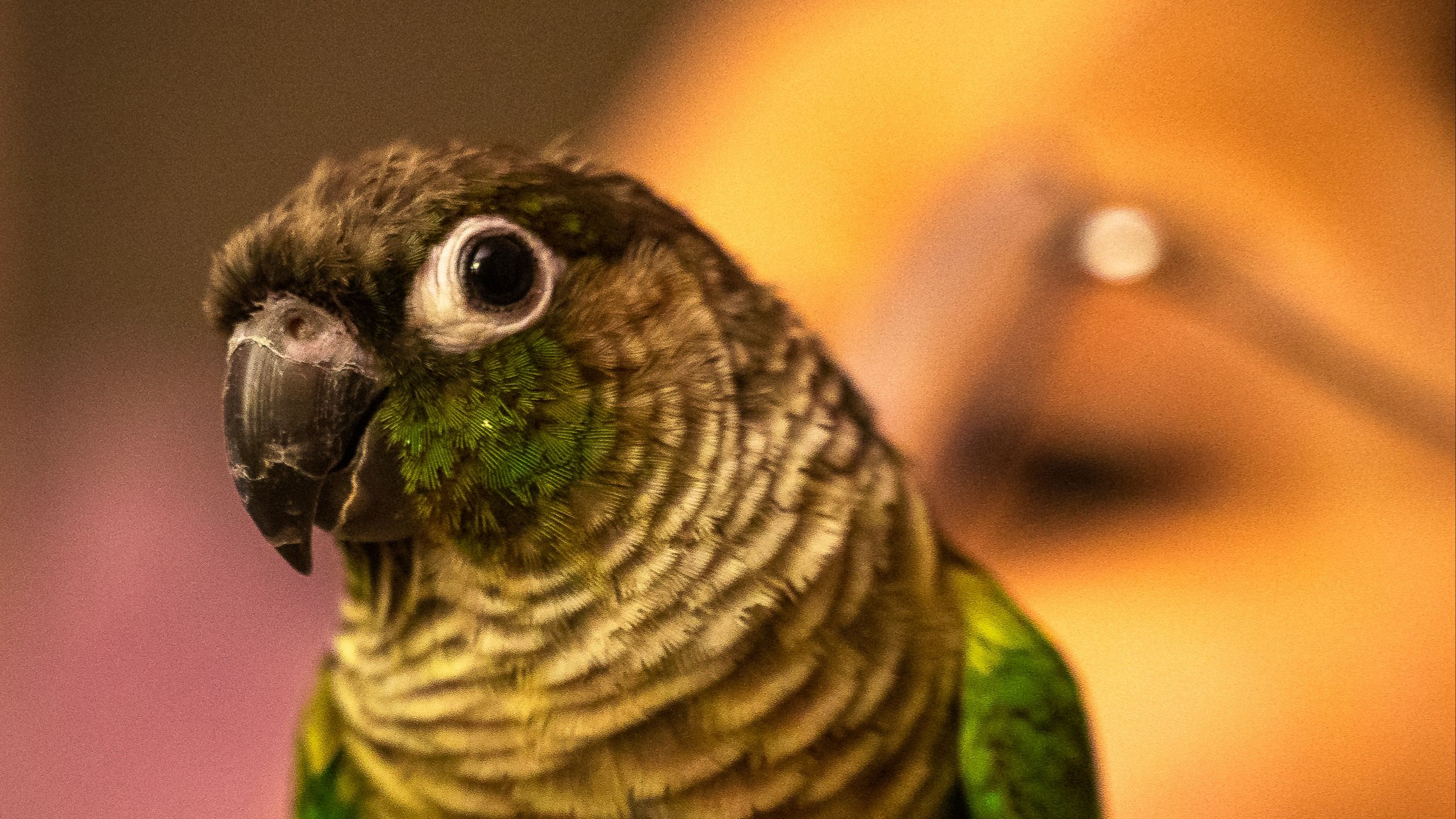
Trying to decide between a conure and a cockatiel is one of the most common questions new bird owners wrestle with, and honestly it's a great problem to have. Both are intelligent, affectionate, and capable of forming genuine bonds with the people in their lives. But they are meaningfully different birds, and the one that fits your life depends almost entirely on your living situation, your personality, and what you're actually looking for in a companion.
This isn't going to be a generic comparison that tells you both birds are wonderful and leaves it at that. Let's talk about the real differences, the ones that actually affect daily life, so you can make a decision you'll feel good about ten or twenty years from now.
What You're Actually Getting With Each Bird
Cockatiels are small parrots native to Australia, typically weighing between 70 and 120 grams. They're known for their gentle temperament, their expressive crests, and a talent for whistling that can genuinely fill a room with pleasant sound. Cockatiels are widely considered one of the best birds for first-time owners, not because they require no effort, but because they're generally forgiving of beginner learning curves, bond warmly and relatively quickly, and are manageable in terms of noise and space.
Conures are a broad family of small to medium parrots from Central and South America, and the category includes dozens of species with their own distinct personalities. The ones you'll most commonly find as companions are green cheek conures, sun conures, jenday conures, and nanday conures. As a group, conures tend to be bolder, louder, more physically active, and more demanding of your time and attention than cockatiels. They're also frequently described as clownish, mischievous, and genuinely hilarious to live with. Both things are true simultaneously.
Noise: This Is Often Where the Decision Gets Made
Let's be real about noise because this is the factor that matters most for people in apartments, condos, or anywhere with shared walls.
Cockatiels are not silent birds. They whistle, they contact call, they vocalize throughout the day. But their sound is generally pleasant and manageable. A happy cockatiel's morning whistle is the kind of thing neighbors might smile at rather than complain about.
Sun conures are a genuinely different situation. They are famous for producing one of the loudest sounds relative to body size of any companion parrot. Their contact call can reach 120 decibels, which is roughly equivalent to a thunderclap at close range. This is not an exaggeration and it is not something that can be fully trained away. It's hardwired. If you live in an apartment building, a sun conure is likely to create real problems with neighbors no matter how well trained and well loved it is.
Green cheek conures are the significant exception within the conure family. They are notably quieter than their cousins. Still vocal, still capable of making noise when they feel like it, but at a volume that works much better for apartment living. If you love the conure personality but genuinely cannot accommodate a loud bird, the green cheek is worth taking seriously.
The honest bottom line on noise: if volume is a concern in your living situation, a cockatiel or a green cheek conure is the practical choice. If you have the space and the tolerance for a louder bird and you want that big personality, a sun or jenday conure will reward you in ways that are hard to describe to someone who hasn't experienced it.
Personality: Where They Really Differ
Cockatiels tend to be gentle, affectionate, and relatively easygoing. They bond warmly with their owners and are generally content to be near people without constantly demanding to be the center of everything. Males especially are known for their musical ability. A well-socialized male cockatiel can develop an impressive repertoire of whistled songs and will spontaneously serenade you throughout the day, which is one of life's genuinely charming little pleasures.
Cockatiels can be shy with strangers at first but usually warm up with patience and positive experiences. They tend to have less of the high-drama intensity that larger parrots can carry, which makes them more forgiving partners for owners who are still building their bird-reading skills.
Conures have more personality per pound than almost any other bird you'll encounter. They are bold and curious and completely fearless and deeply, relentlessly interactive. A conure that trusts you will follow you around the house, insert themselves into whatever you're doing, and find creative ways to make sure you haven't forgotten they exist. Many conure owners describe this quality as one of their absolute favorite things. Others find it a bit much. Knowing which camp you fall into before you bring one home is genuinely useful information.
Conures also tend to have stronger opinions than cockatiels. They're more likely to test limits, more likely to bite when they feel their communication isn't being heard, and more likely to develop problem behaviors if their social and enrichment needs aren't being consistently met. This doesn't make them bad birds at all. It makes them birds that thrive with owners who understand what they need and can provide it reliably.
Training: How They Both Learn
Both cockatiels and conures respond beautifully to positive reinforcement training, and the foundational approach Cassie Malina teaches inside BeakSchool applies equally to both. The principles don't change by species. The trust account, the ABCs of behavior, building a reinforcement history through repetition, working at the bird's pace rather than yours. These work with every parrot because they're grounded in how behavior actually functions, not in species-specific tricks.
In practice though there are real differences in how training tends to unfold with each bird.
Cockatiels are generally receptive and seem to genuinely enjoy the interaction that training provides. They respond well to gentle, patient sessions and can learn a solid range of behaviors including step up, target training, carrier training, scale training, and some simple tricks. They're not typically the flashy performers that some larger parrots can become, but they're reliable, they're consistent, and they bring a sweetness to training sessions that a lot of owners really love.
Conures are often highly food motivated and pick up new behaviors quickly. Their boldness works in their favor during training because they're willing to try things and engage. The main challenge with conures is keeping sessions from getting overstimulated. A conure that gets too wound up starts offering behaviors you didn't ask for, gets grabby with the treats, or loses focus entirely. Short, well-structured sessions with clear criteria work much better than long open-ended ones.
Cassie's core principle applies equally to both birds: we ask our parrots to participate. We never force, never use pressure to get compliance, never push through body language that's saying no. With both cockatiels and conures, the most productive training relationship is built on genuine trust where the bird chooses to engage because engaging is genuinely rewarding for them.
Space and Enrichment
Cockatiels need a reasonably sized cage, wide enough to spread their wings fully without touching the sides, with a variety of perches at different heights and diameters, a few toys for foraging and chewing, and daily out-of-cage time. They're active birds but not extreme athletes. A well-set-up environment and a couple of hours of supervised freedom each day can keep a cockatiel genuinely content.
Conures need more. They're more active, more curious, and harder on their toys, which is actually a good sign because destruction means enrichment is working as it should. They're also more demanding of genuine social interaction with their people. A conure that doesn't get enough out-of-cage time, enough variety in enrichment, and enough real engagement with its human flock will find ways to communicate its needs. Those ways are usually loud.
Foraging is especially important for conures. Wild parrots spend the majority of their waking hours searching for food. Replicating some of that in a home environment by hiding food in foraging toys, offering whole foods that require work to eat, and rotating enrichment regularly, is one of the best investments you can make in a conure's mental health and behavior.
Lifespan and What It Actually Means
This part matters and often gets glossed over. Cockatiels typically live 15 to 25 years with good care. Conures generally live 15 to 30 years depending on the species. Both of these birds are long-term companions who will need consistent, quality care for a significant portion of your life.
This is worth sitting with before you decide. The most common reason parrots end up in rescue is that their owners didn't fully understand the commitment involved. It's not a reason to avoid getting a bird. It's a reason to go in with clear eyes. If you're genuinely prepared for the time, the noise, the enrichment needs, the vet costs, and the real relationship that either of these birds requires, you'll be rewarded with a companion unlike anything else.
So Which One Is Actually Right for You?
Choose a cockatiel if you want a gentle, musical, affectionate bird that's more forgiving for beginners, quieter for apartment or condo living, and happy with slightly less intensive daily interaction. Cockatiels make wonderful first birds and wonderful lifelong companions for anyone who appreciates their quieter, sweeter energy.
Choose a conure if you want a bold, interactive, endlessly entertaining bird with a personality that will absolutely fill your home and your days, and you have the space, the noise tolerance or are going with a green cheek, and the genuine commitment to meet their enrichment needs consistently every single day.
Either way, the foundation that makes it work is the same. Learn to read your bird's body language. Build the trust account one interaction at a time. Use positive reinforcement to develop a relationship where your bird does things because they genuinely want to, not because they have no choice.
If you want step-by-step guidance on building that foundation with whichever bird you choose, BeakSchool's training program taught by Cassie Malina walks you through everything from day one using the same science-based methods used by professional bird trainers at the highest levels of the field.
The information in this post is for educational purposes only. If your bird is experiencing behavioral or nutritional concerns, please consult a certified avian professional. In the case of a medical emergency, contact your local avian veterinarian immediately.
Learn how to responsibly train your bird
