
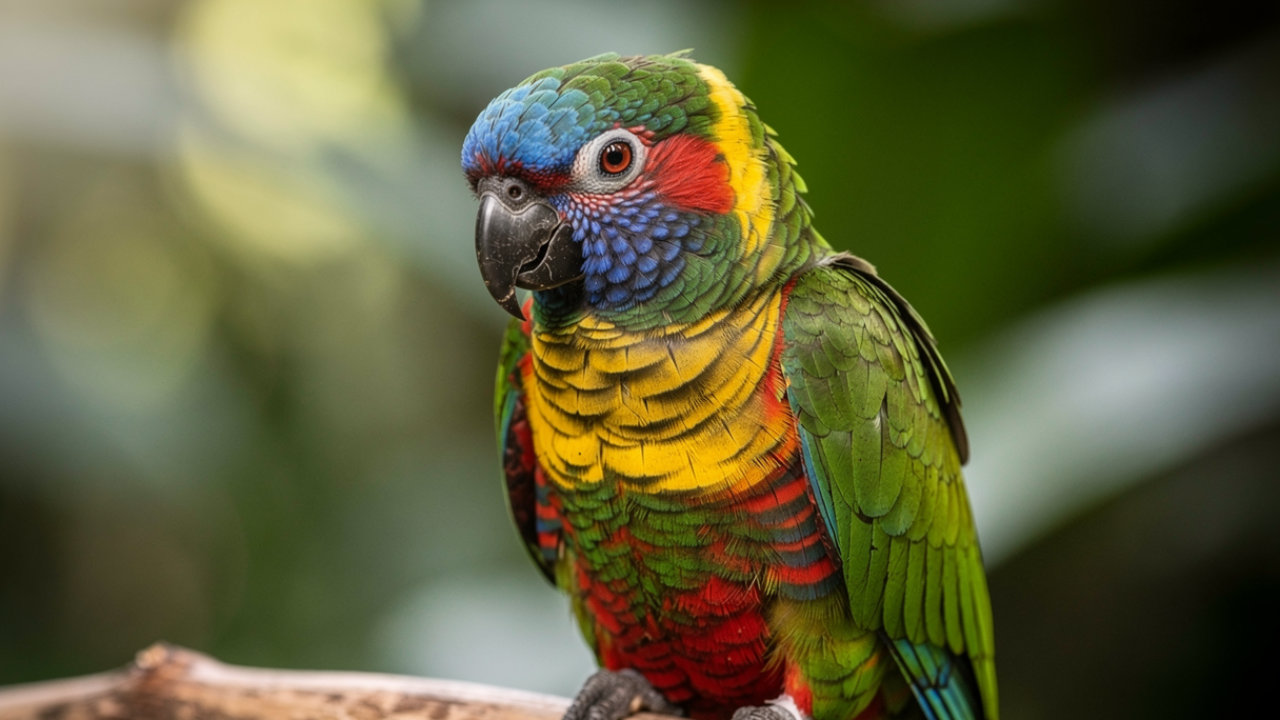
Welcome to Beak School! Bringing a new parrot into your home is an incredibly exciting experience. These intelligent, complex creatures bring so much joy, but like any new relationship, it comes with its own set of unique challenges. One of the most common concerns, especially for new parrot owners, is biting. It's a natural behavior, but often misunderstood. Here at Beak School, we believe in building strong, trusting relationships with our parrots through force-free methods. Let's dive into why parrots bite and how you, as a new owner, can set your feathered companion—and yourself—up for success by preventing it from ever becoming an issue.
Understanding Why Parrots Bite: It's Not Personal
Before we can address biting, we need to understand its root causes. First and foremost, recognize that when a parrot bites, it’s not because they’re "mean" or "evil." Biting is a form of communication, often born out of instinct, fear, or a lack of understanding between bird and human. Here are some of the most common reasons a parrot might resort to biting:
- Fear/Defense: This is arguably the most common reason. If a parrot feels threatened, cornered, or unsafe, their natural instinct is to defend themselves. This can happen if you approach them too quickly, reach into their cage without warning, or if they've had negative experiences in the past.
- Overstimulation/Understimulation: Parrots are highly intelligent and need appropriate mental and physical stimulation. A bored bird might nip for attention, while an overstimulated bird (too much noise, activity, or unwanted interaction) might bite to say "stop."
- Hormonal Changes: During breeding season, many parrots become more territorial, nippy, and sensitive. This is a natural physiological process and requires extra patience and understanding from owners.
- Pain or Illness: If a parrot isn't feeling well, they might become irritable or defensive. A bite could be their way of telling you they’re in discomfort or don’t want to be touched.
- Testing Boundaries: Especially with young parrots, they might "mouth" or nip to explore their environment and learn what they can and can't do. Much like a human toddler, they’re figuring out their world.
- Lack of Socialization/Training: Parrots that haven't been properly socialized or taught appropriate interaction methods might not know how else to communicate their needs or discomfort.
- Resource Guarding: Some parrots become very protective of their cage, food, toys, or even their favorite human. Approaching these guarded resources without permission could result in a bite.
Proactive Prevention: Building Trust from Day One
The best way to deal with biting is to prevent it from ever starting. For new parrot owners, this means laying a foundation of trust, clear communication, and respect from the moment your feathered friend steps (or flies!) into your home. Remember, force-free methods are not just about avoiding punishment; they're about actively creating a positive, safe, and enriching environment.
Environment and Routine
- Safe Space: Ensure your parrot's cage is appropriately sized, clean, and filled with engaging, safe toys. The cage should be their sanctuary, a place where they feel completely secure. Don't use your hand to retrieve them from their cage without invitation, especially in the beginning.
- Predictable Routine: Parrots thrive on routine. Consistent feeding times, out-of-cage time, and quiet periods help reduce stress and anxiety, which can contribute to nippy behavior.
- Proper Diet and Sleep: A healthy body contributes to a healthy mind. Ensure your parrot is eating a balanced diet and getting enough undisturbed sleep (10-12 hours in a dark, quiet environment).
Respectful Interaction and Communication
- Read Body Language: This is a superpower for parrot owners! Learn to recognize the subtle cues that indicate your parrot's mood:
- Relaxed: Soft eyes, relaxed posture, fluffed feathers.
- Uncomfortable/Anxious: Pinning eyes (rapid pupil dilation/contraction), standing tall and thin, raised neck feathers, leaning away, hissing.
- Aggressive/Warning: Lunging, open beak, ruffled crown feathers, fanning tail feathers.
- Start Slow and Earn Trust: Don't rush interaction. Allow your parrot to acclimate to their new environment for several days or even weeks. Sit near their cage and talk softly, offer treats through the bars, but don't force interaction. Let them initiate contact.
- Offer Choices: Whenever possible, give your parrot agency. "Would you like to step up?" instead of just grabbing. "Would you like this treat?" instead of forcing it. This empowers them and reduces the likelihood of feeling threatened.
- Observe the "Consent Test": Does your parrot lean *into* your touch? Do they stay relaxed or even solicit more interaction? If yes, great! If they pull away, freeze, or show other signs of discomfort, stop. Respect their preferences.
- Use Positive Reinforcement: Reward desired behaviors! When your parrot is calm, cooperative, or allows gentle interaction without nipping, praise them with a soft voice and offer a high-value treat.
Addressing Nipping Before It Becomes Biting
Even with the best intentions, a new parrot might try and test boundaries with a nip. It's crucial to address these gentle nips before they escalate into painful bites. Remember, never punish your parrot. Punishment, whether yelling, flicking the beak, or squirt bottles, only teaches your parrot to fear you, making them more likely to bite out of defense.
- The "No Reward" Approach: If your parrot nips, immediately and calmly withdraw attention. Don't yell, don't react dramatically. Just put them down (if on your hand), turn your back, or walk away for a few seconds. This communicates that nipping makes the fun stop.
- Redirection: If your parrot is exploring with their beak, offer an appropriate chewing toy instead. "Can't chew on my finger, but here's a fun toy you can chew on!"
- Teach a "Step Up" Cue: A reliable "step up" cue is invaluable. Teach this by luring your parrot onto your hand with a treat, reinforcing with praise and the treat once they step up. This gives them a clear, positive way to interact with your hand.
- Target Training: Teach your parrot to touch a target stick with their beak or head for a reward. This positive exercise increases their comfort with your hands in their space and gives them a job to do.
- Manage Hormonal Behavior: During breeding season, avoid petting your parrot on their back or under their wings, as this can be misinterpreted as sexual stimulation and increase hormonal aggression. Focus on head scratches and engaging play. Understand that some increased moodiness is natural, and adjust your expectations for interaction accordingly.
When to Seek Professional Help
If you're consistently struggling with biting, or if your parrot's behavior becomes aggressive or dangerous, please don't hesitate to reach out for professional help. A certified avian behavior consultant (like the team here at Beak School!) can assess your specific situation, help you understand the underlying causes of the biting, and develop a tailored positive reinforcement training plan. This isn't a sign of failure, but a sign of a responsible and caring owner dedicated to their parrot's well-being.
Final Thoughts
Building a relationship with a parrot is a journey, not a destination. It requires patience, consistency, and a deep commitment to understanding their world from their perspective. By recognizing why parrots bite and dedicating yourself to force-free, proactive prevention, you can foster a loving, trusting bond that enriches both your lives. Remember to celebrate the small victories, stay consistent with your training, and always approach your feathered friend with kindness and respect.